


Accessibility through Impact Storytelling
Client
Samarthanam
+Indian Railways
Project Type
Documentary Film
Year
2024
Overview
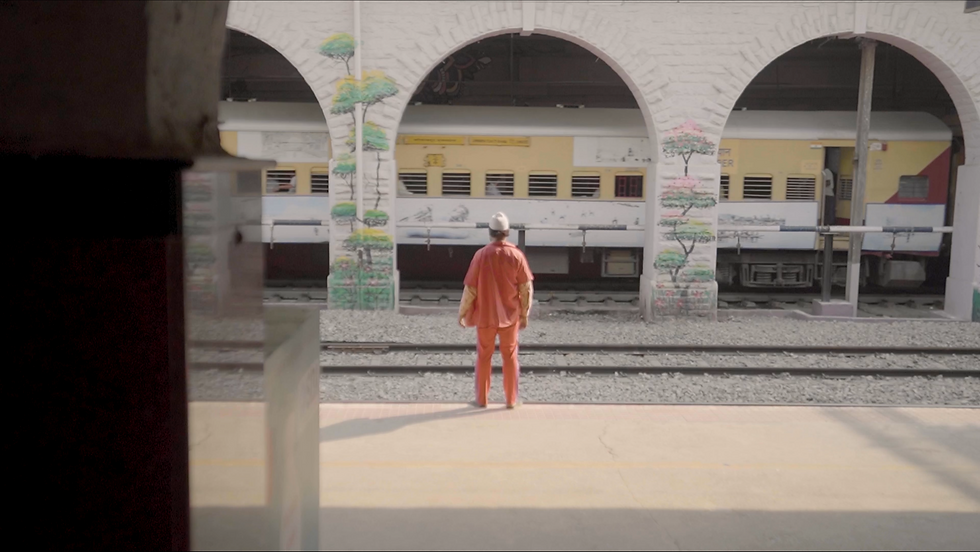
Samarthanam is a not-for-profit organisation working to address the needs of people with visual impairment, the underprivileged, and individuals with disabilities. In partnership with Indian Railways, Samarthanam undertook an initiative to make railway stations more accessible, introducing braille signboards, accessible ramps, and infrastructure improvements to ease travel for people with disabilities. Upper Grove Studio was brought in to document this initiative through a documentary film.
The Challenge
Accessibility initiatives often go unseen. Even when they create meaningful, systemic change. The challenge was to document the transformation in a way that honoured both the effort behind it and the people it serves without reducing the story to statistics or sentiment. The film needed to communicate impact clearly, respectfully, and authentically.

Accessibility, made possible.



The Approach
We approached the documentary with a focus on lived experience.
Rather than presenting accessibility as an abstract policy shift, the film centred on real-world implications and how these changes affected mobility, dignity, and independence. The narrative was structured to highlight:
The partnership between Samarthanam and Indian Railways
The infrastructure changes introduced
The tangible difference made in everyday travel
What We Did
Documentary Film
Conceptualised and structured the narrative
Captured on-ground visuals of accessibility features
Documented the initiative’s purpose and execution
Storytelling & Editing
Shaped the footage into a cohesive, impact-driven film
Maintained a respectful and grounded tone throughout
Ensured clarity in communicating both problem and solution
The goal was to let the work speak and allow the film to act as both record and reflection.
The Outcome
The documentary captured a meaningful shift toward inclusive infrastructure. By highlighting accessibility as a lived experience rather than a technical upgrade, the film reinforced the importance of inclusive design in public spaces and documented a partnership committed to long-term impact.


